
Life, Back In Clear View
.jpg)
In Nawada, Ekma, a grandmother’s world became clear again the moment she could see her grandchild without blur—reclaiming both vision and connection after years of visual uncertainty and longing.
Life, Back in Clear View
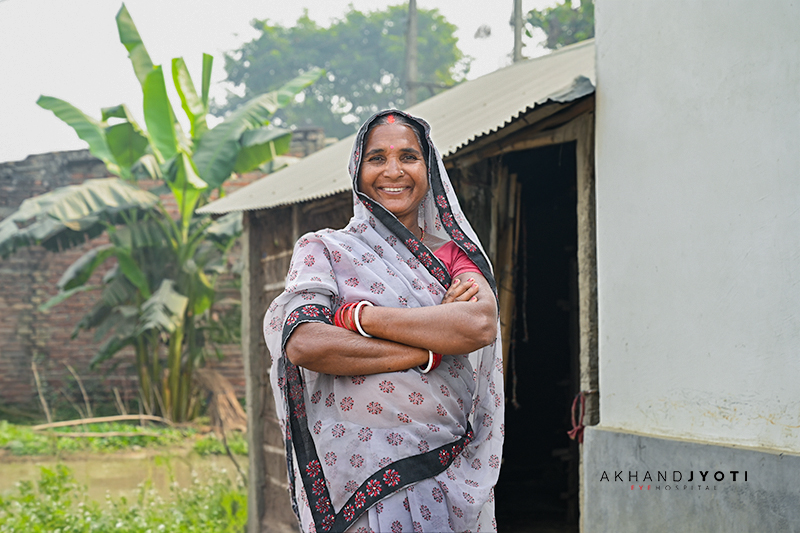
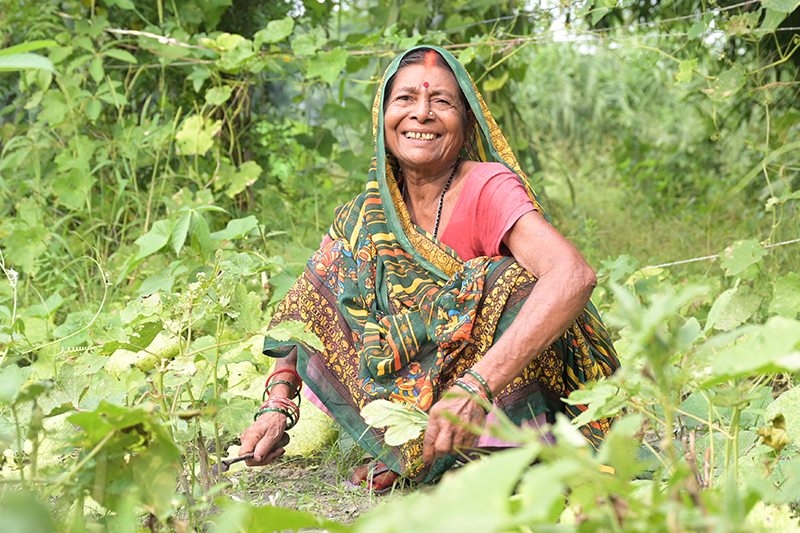
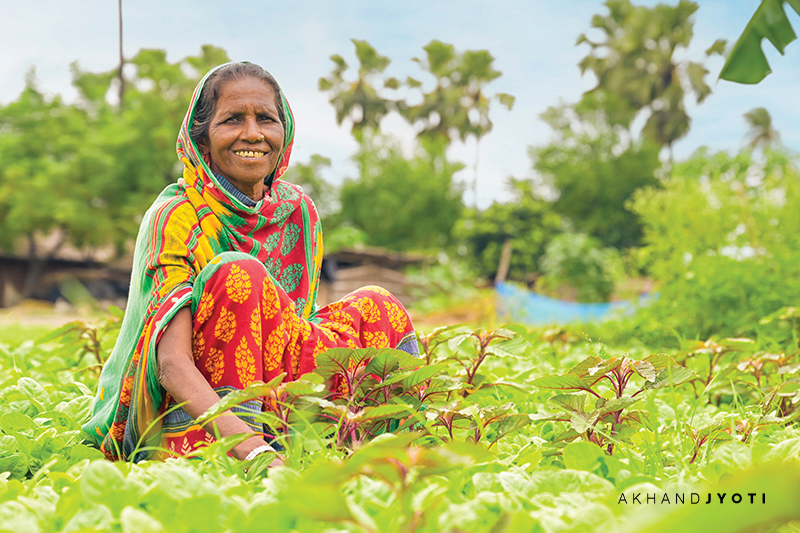
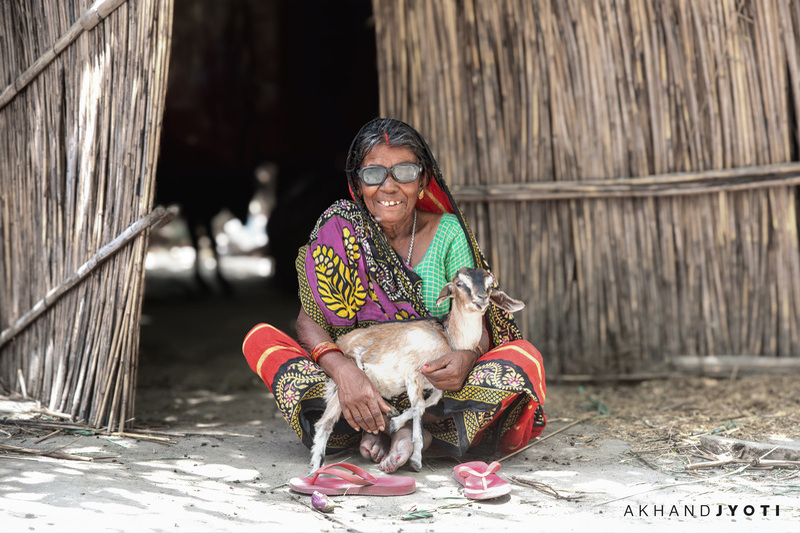
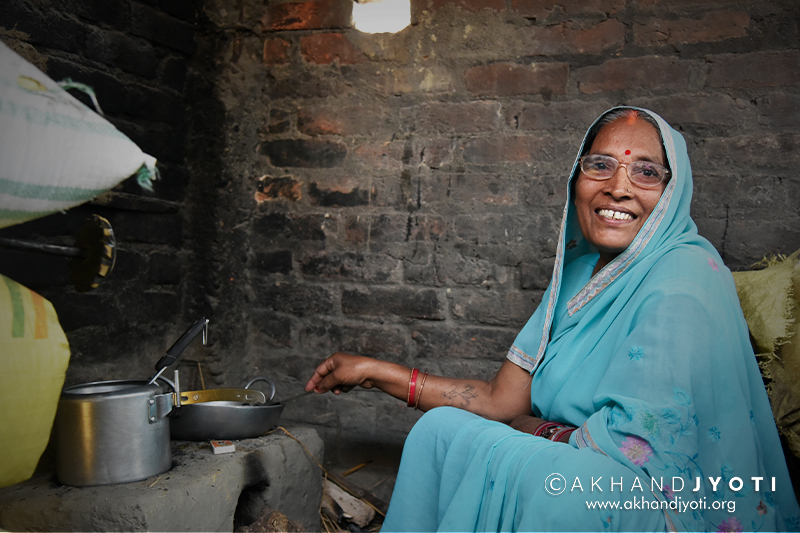
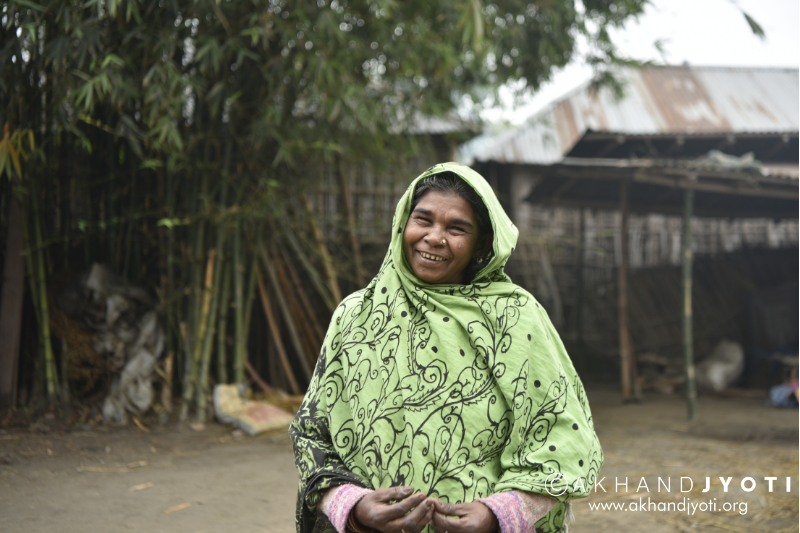
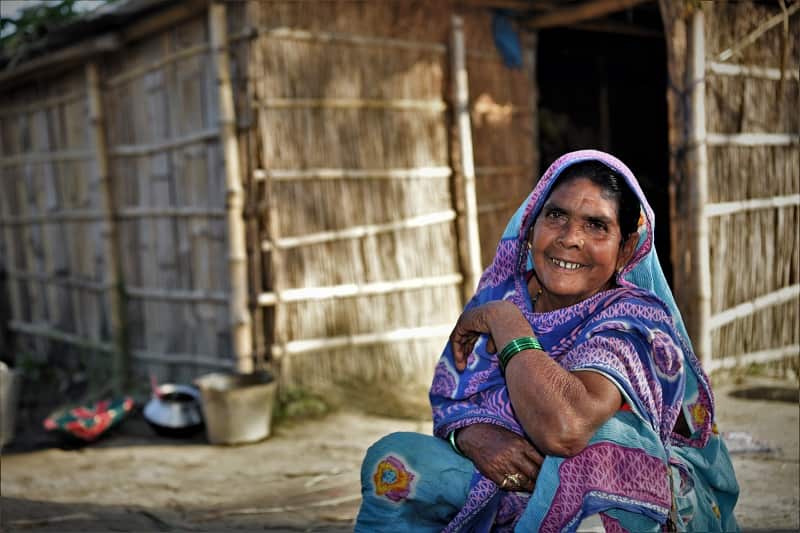
Dhruwapato Devi now begins her mornings the way she always did—sorting vegetables in her courtyard, walking steadily to the fields, and returning home independently. She cooks, farms, and moves through her day with quiet assurance.
Evenings are often reserved for her grandson, seated beside her in the fading light.
I can see his smile again. That means everything to me,
she says softly.
A Life Rooted in Work
.jpg)
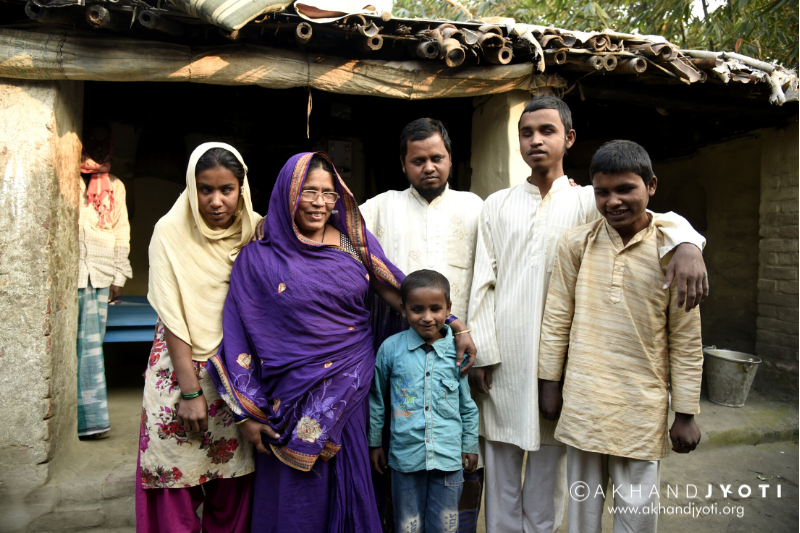
At 52, Dhruwapato had long been known for her stamina. Living in Nawada, Ekma, her days were divided between vegetable farming and managing the household. Movement defined her identity—fields in the morning, kitchen by afternoon, family by evening.
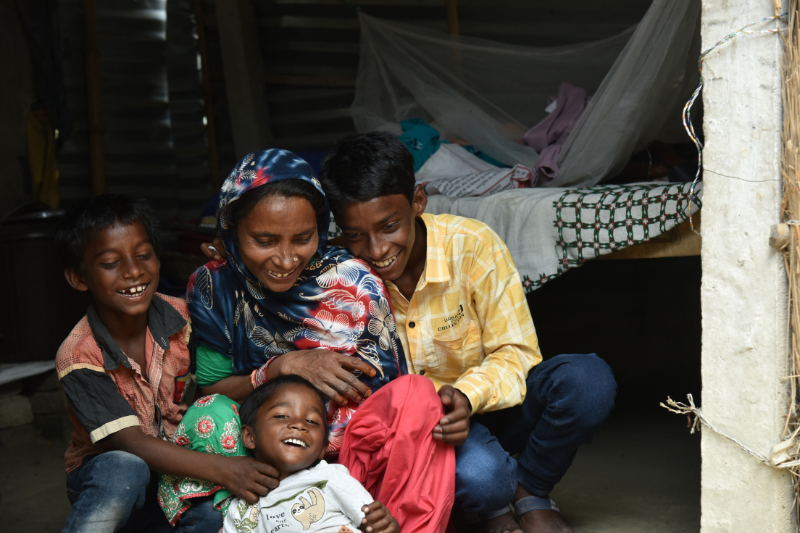
Her grandsons remained closest to her, rarely leaving her side.
When Vision Began to Fade
Two years ago, her sight began to blur. At first, she dismissed it as dust or age. But the signs gathered slowly.
Flames were checked repeatedly. Vegetables were cut with hesitation. Crops were missed while weeding. Crossing the courtyard required measured steps.
I thought it was part of getting older. Everyone said the same,
she recalls.
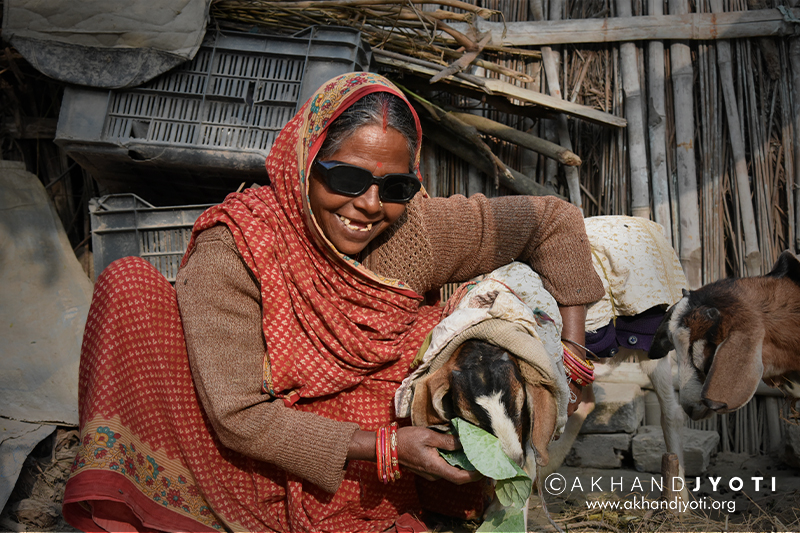
As her vision worsened, assistance became unavoidable. Her daughter-in-law began walking beside her. Her husband, Premchand Mahto, took over tasks she once handled independently.
I did not like being held. But I could not see well,
she says.
Her world did not stop—but it quietly shrank.
Choosing Hope
.jpg)
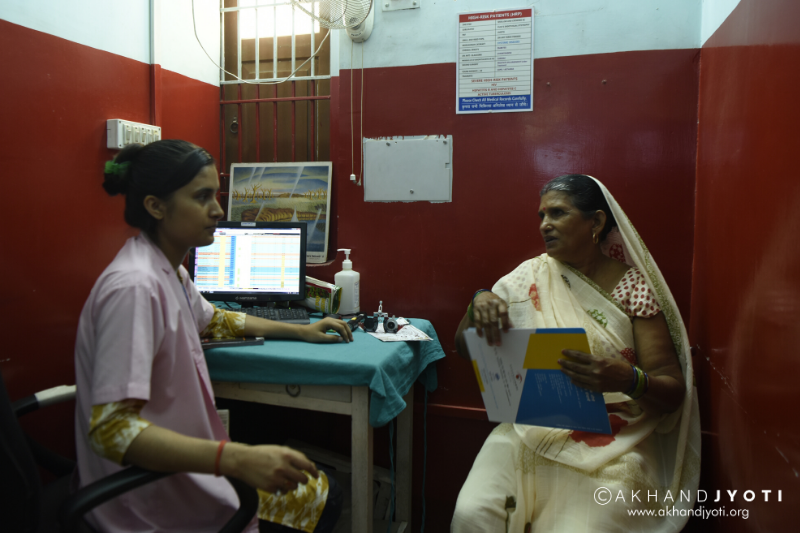
For Dhruwapato Devi, the journey to restored sight began at a free eye screening camp organised by Akhand Jyoti in her area, where her cataract was identified.
She was referred to the nearest Akhand Jyoti Eye Hospital, given a confirmed surgery date, and provided free transport from her village to the hospital and back.
From her surgery and hospital stay to medicines and post-operative care, every expense was borne by the hospital with the support of its partner organisations—ensuring her treatment was completed without financial burden and her vision was fully restored.
The Moment of Return, Independence, Restored
.jpg)
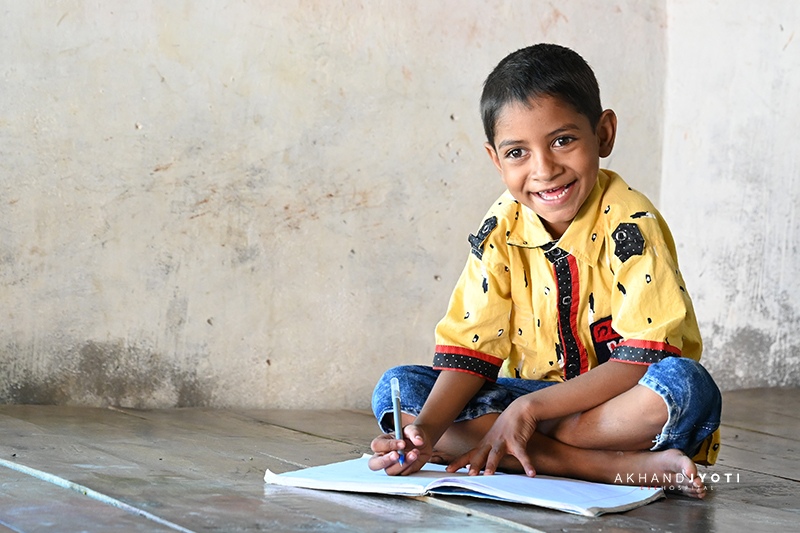
After surgery, when the bandage was removed, Dhruwapato allowed her vision to adjust slowly. The first face she recognised clearly was her grandson’s—standing close, smiling without hesitation.
That was the first face I saw clearly,
she says.
Today, she has returned fully to her routine—cooking confidently, tending crops, and moving freely between home and fields. Restored sight has returned more than visibility. It has restored authority, rhythm, and dignity.
I can manage again. That feels good,
she says.
Dhruwapato’s story is not only about cataract surgery. It is about returning to one’s role within family and livelihood. Through cataract surgery services, community outreach screening, and affordable eye care programmes, lives like hers regain continuity.
In Nawada, Ekma, a long-accepted belief quietly broke—fading vision did not have to be endured. With timely care, life could continue, clear, steady, and whole.