
Unbroken By Blur: A Farmer’s Return To Life
Some battles don’t announce themselves loudly. They arrive quietly, change daily rituals, test dignity, and wait—until one decision restores more than what was lost, reshaping identity, purpose, and the courage to begin again.
A Life Back in Motion
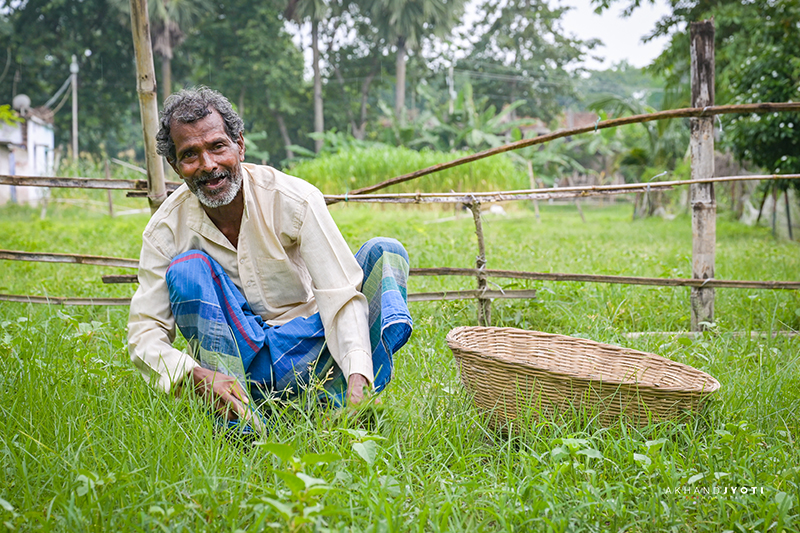
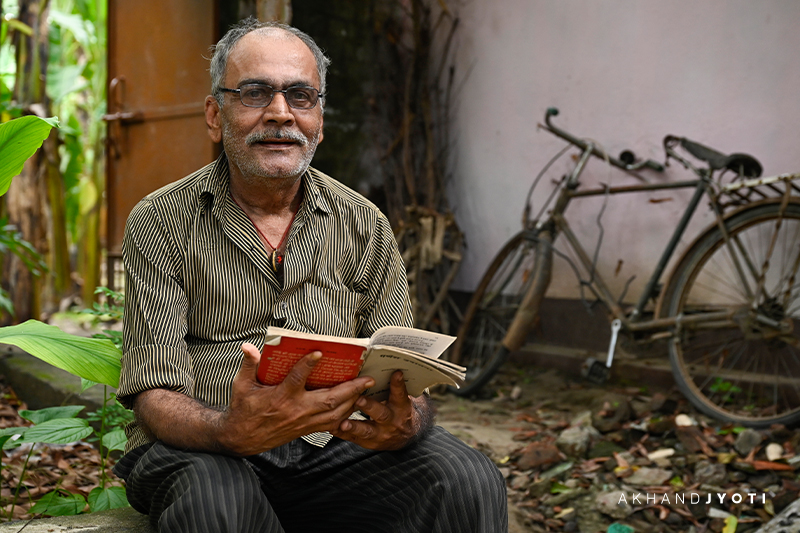
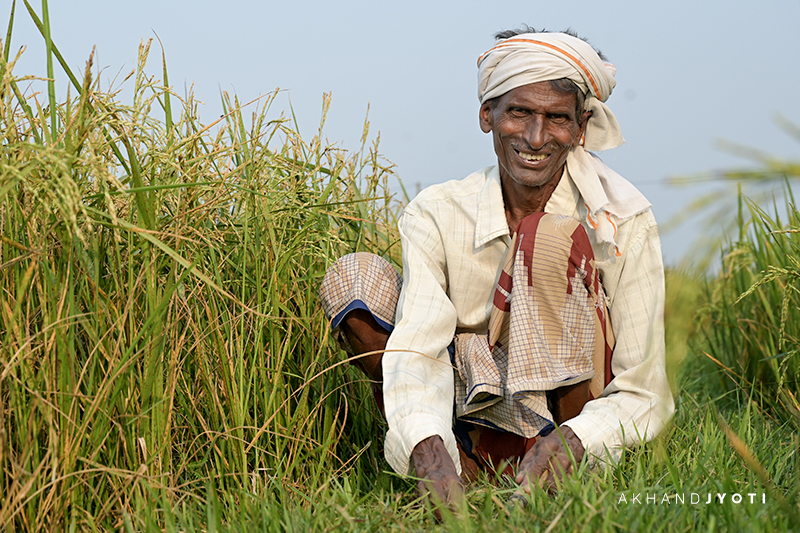
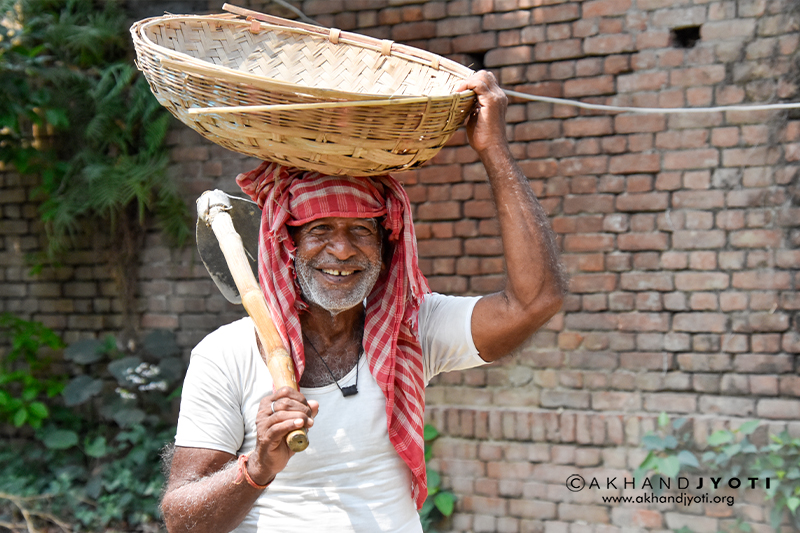
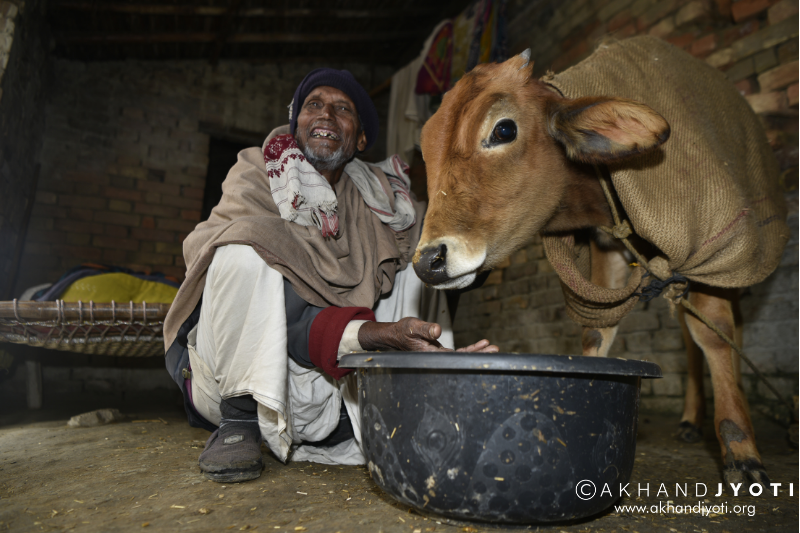
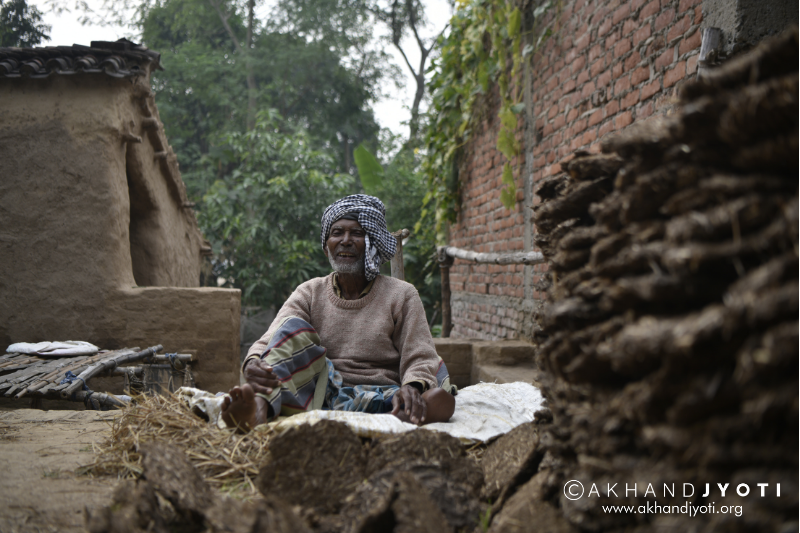
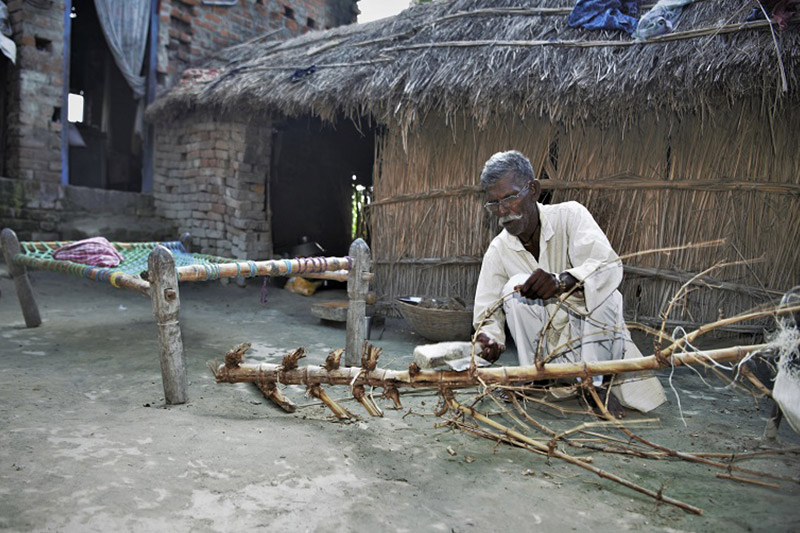
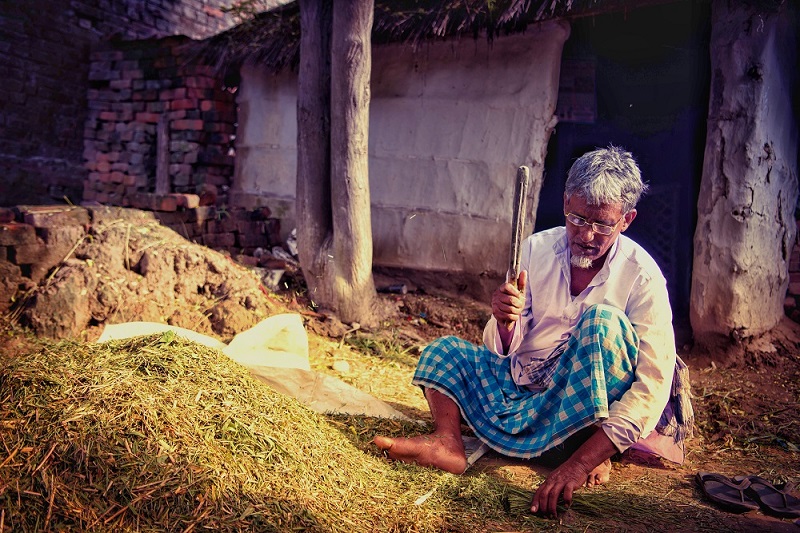
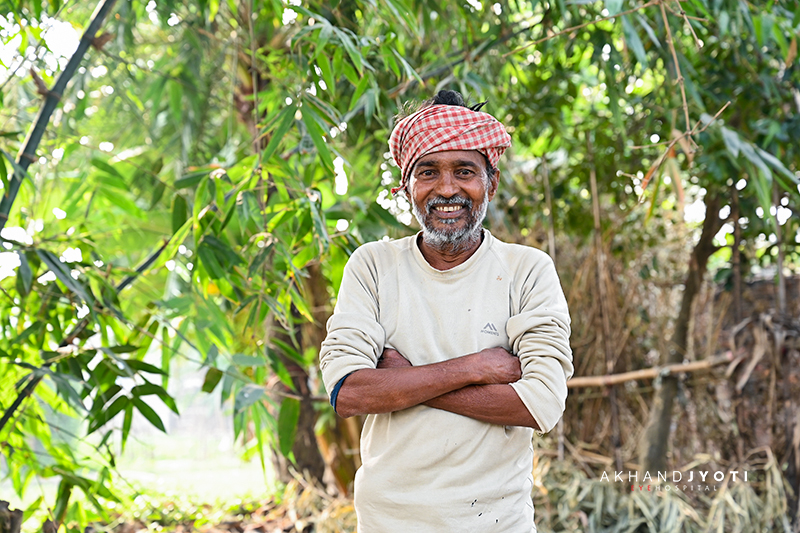
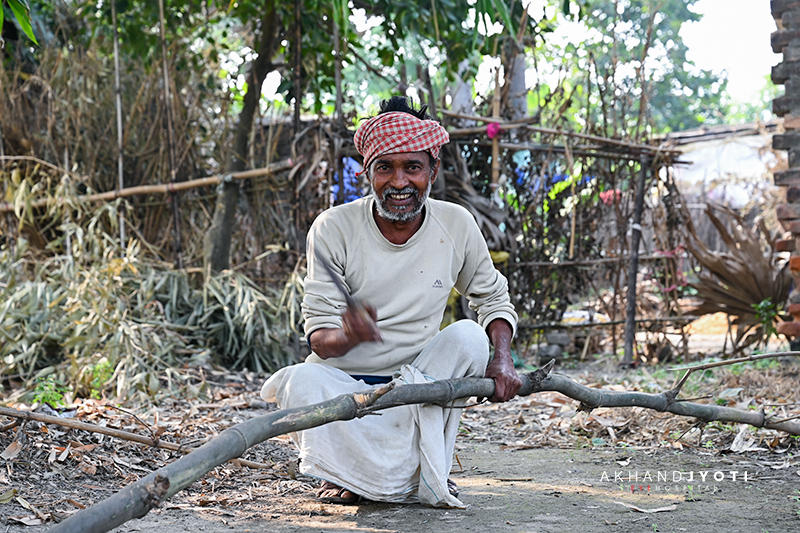
Today, Ramupdesh Ram wakes up with purpose again. He steps into his fields without hesitation, spade firm in his hands, vision clear, shoulders straight.
The fear of stumbling, the embarrassment of asking for help, the quiet frustration of half-seeing the world—those days are behind him.
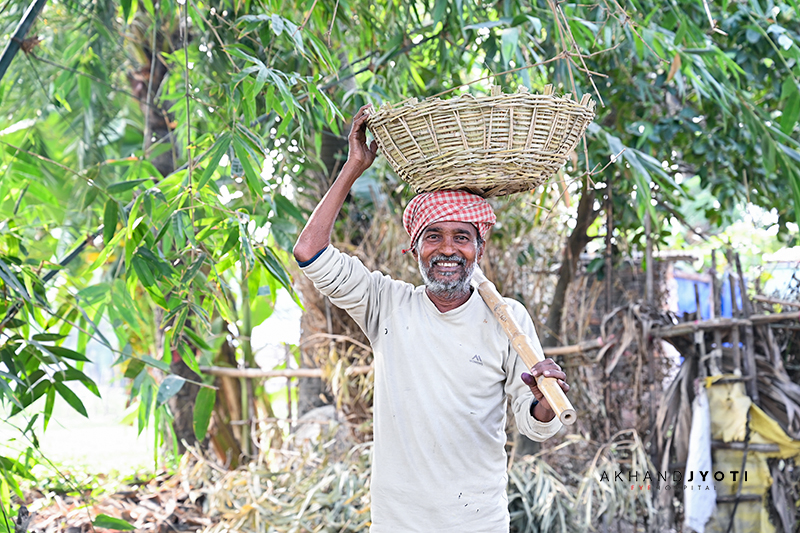
I can work without thinking twice now, he says, smiling easily.
I walk freely, lift wood, see the crops clearly. My life feels like mine again.
This return to normalcy did not just restore his eyesight—it restored his independence, his dignity, and his role as a father who provides rather than depends.
When the World Began to Fade
Ramupdesh is a 5-year-old farmer from Kalyanpur Basti in Mohiuddinnagar, a man whose life has always been tied to the soil. Farming was not just his livelihood—it was his identity.
But slowly, without warning, the world began to blur.
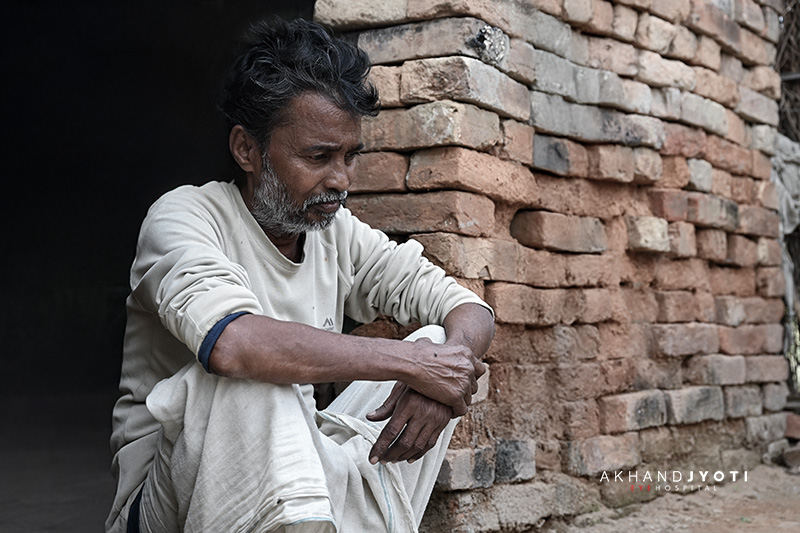
At first, I didn’t think much of it, he recalls.
I thought it was a small problem, something that would pass. But it didn't.
What began as a mild inconvenience grew into a daily struggle. Filling a glass of water became uncertain. Walking confidently across uneven fields felt risky. Farming—once effortless—turned exhausting.
There came a time when I couldn’t even see properly while working, he says.
That is when I started feeling useless.
Loss, Loneliness, and the Weight of Dependence
After the passing of his wife, the fields had become Ramupdesh’s refuge. Work kept him going. Routine gave him strength. But cataract changed that equation.
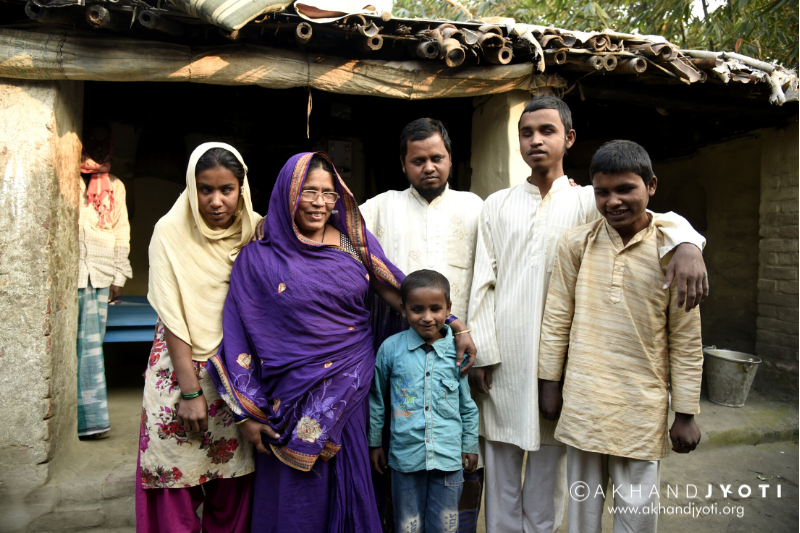
Unable to farm or take up labour work, he began depending on his two sons for even small tasks. They supported him willingly—but it troubled him deeply.
My sons never complained, he says softly.
They helped me with everything. But inside, I kept thinking—a father should not have to depend on his children like this.
The blur in his eyes began to cloud something deeper—his sense of self-worth.
Hearing About Hope, Questioning It
When Ramupdesh was told about Akhand Jyoti Eye Hospital, hope arrived—but so did doubt.
I was nervous the moment I heard it was a big hospital, he admits with a shy smile.
People said the surgery would be completely free. I couldn’t believe it. Things like that don’t happen for people like us.
Years of living with scarcity had taught him to be cautious. Free treatment sounded unreal. A world-class hospital felt intimidating.
Still, the worsening blur left him with little choice.
A Seamless Surgery, A Quiet Transformation
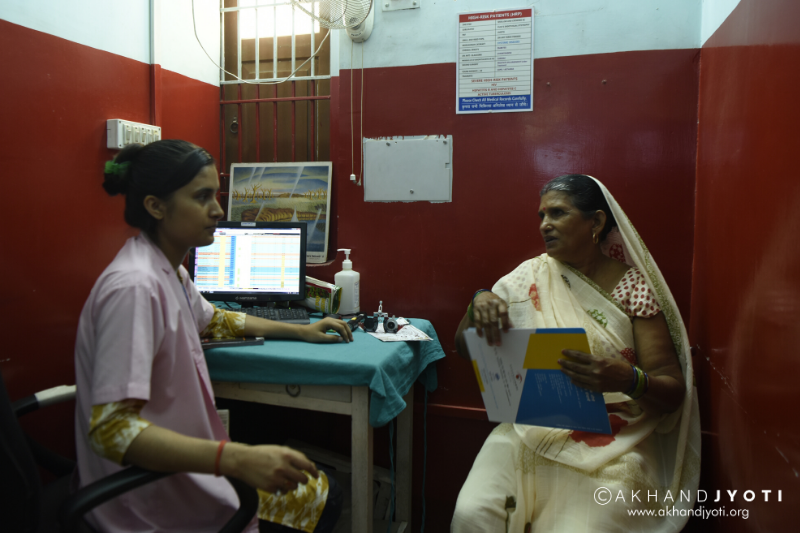
At Akhand Jyoti’s Centre of Excellence, Ramupdesh underwent cataract surgery. There was no chaos. No fear. No hidden costs. Just clarity—both literal and emotional.
Everything happened smoothly, he recalls.
Before I knew it, I could see clearly again.
The surgery did more than remove cataract.
It removed fear. It removed dependence. It restored confidence.
Back Where He Belongs

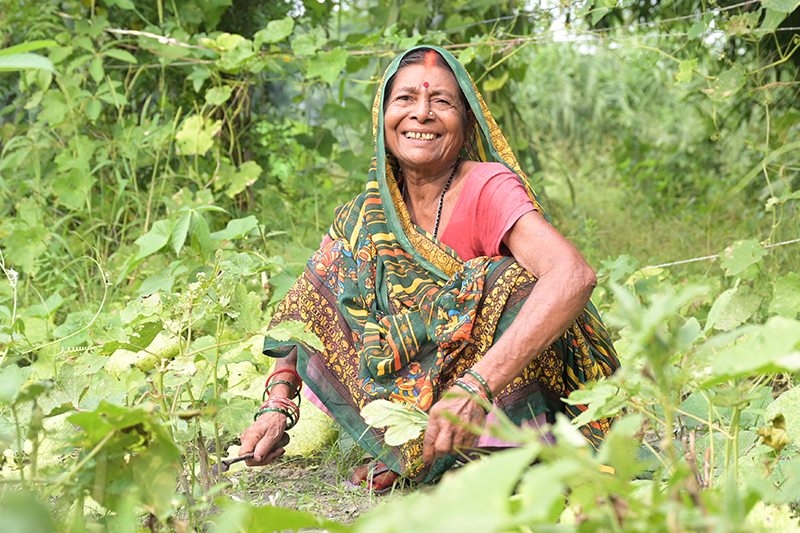
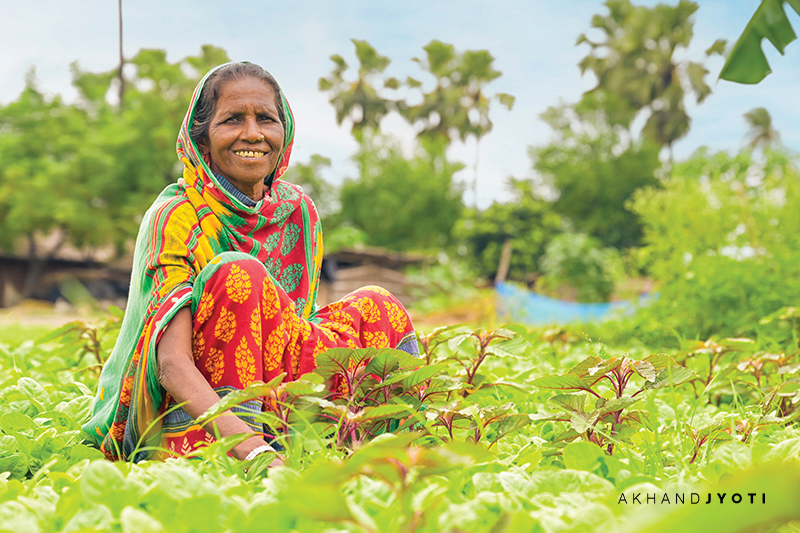
Today, Ramupdesh is back in his fields, walking confidently through green rows of crops. He works without assistance. He makes decisions again. He feels useful again.
I don’t have to ask my sons for help anymore. They are happier too—because they see their father strong again, he says, pride evident in his voice.
For his family, this was not just medical intervention.
It was the return of stability. The return of a role. The return of respect.
More Than Vision Restored
Ramupdesh’s story is not just about cataract surgery.
It is about how restoring sight restores dignity.
It is about how healthcare can quietly rebuild lives.
It is about how a farmer reclaimed not just his vision—but his place in the world.